What Is the Best Decorative Rock for Las Vegas Landscaping?
Not sure what decorative rock to choose for your Las Vegas yard? This guide explains the best rock colors, sizes, value options, river rock, pet friendly choices, leaf cleanup, rock refreshes, and how rock compares to turf and pavers.
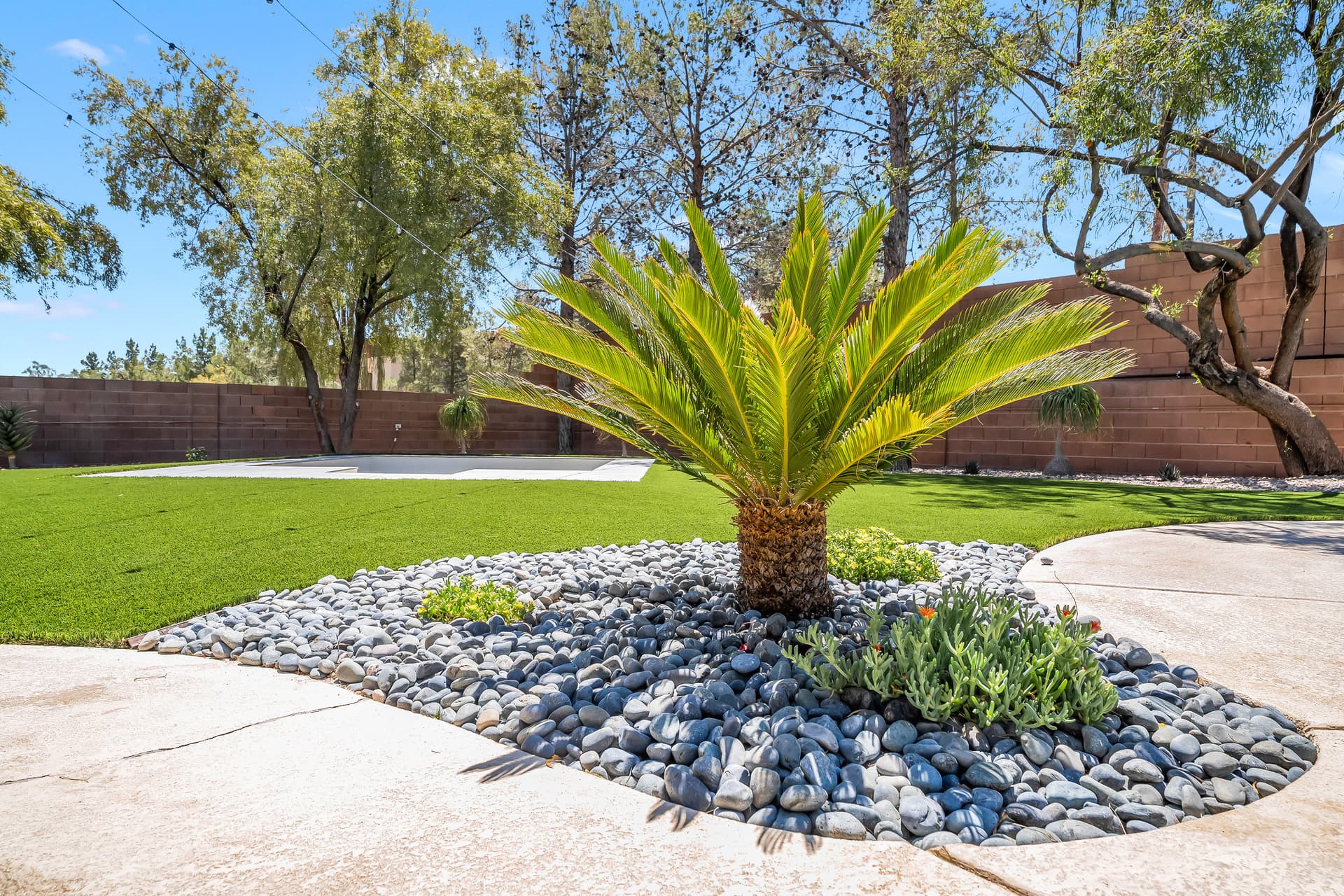
Decorative rock is one of the biggest decisions in a Las Vegas landscape. It might seem simple, but the rock color, size, and style can completely change the way your yard looks and how easy it is to maintain. The best rock for your yard depends on your home color, turf layout, plants, pavers, pets, drainage, trees, and budget. Some rock looks great in small planters but is not the best choice for full yard coverage. Other rock is simple, affordable, and perfect for covering larger areas.
So, what rock should you choose for your Las Vegas yard?

What Is the Point of Decorative Rock?
Decorative rock does more than cover dirt. It helps your yard look clean, finished, and low maintenance. It also helps reduce dust, creates contrast around turf and plants, and gives the landscape a more complete look. In Las Vegas, rock is one of the smartest materials to use because it covers a lot of space for a much lower cost than turf or pavers. For example, if 1 ton of standard rock covers about 140 square feet, and the rock is around $175 per ton, that comes out to about $1.25 per square foot for the rock coverage.
Compare that to turf or pavers, which are often around $8.50 per square foot. That is why rock is one of the easiest ways to lower the overall cost of a landscape project. If a quote is coming in too high, one of the first things we look at is whether we can reduce some turf or paver areas and replace them with clean decorative rock.
Our Favorite Rock Options in Las Vegas
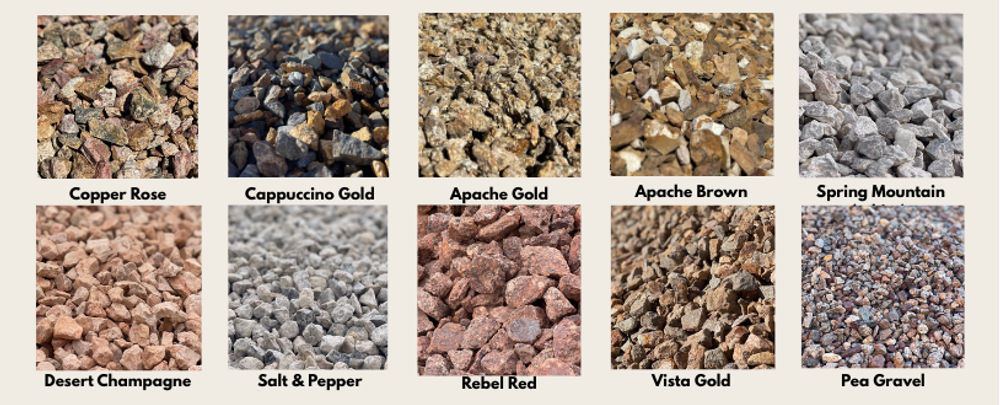
There are a lot of rock options available, but these are some of our favorite choices for Las Vegas landscapes.
Sahara NV River Rock is one of our favorite premium options. It has a natural desert look, works well with turf and pavers, and gives the yard a smoother, more finished feel than standard crushed rock. (Softer desert tone with tan, cream, gray.)
Arizona River Rock is another great choice for dry riverbeds, planters, and natural looking landscapes. It has a softer appearance and works well when the design needs more movement and texture. (More Color Variation, more colorful and organic.)
Apache Brown is a great value option for many Las Vegas homes. It has warm desert tones, works with tan walls and desert plants, and gives the yard a clean look without feeling too flashy.
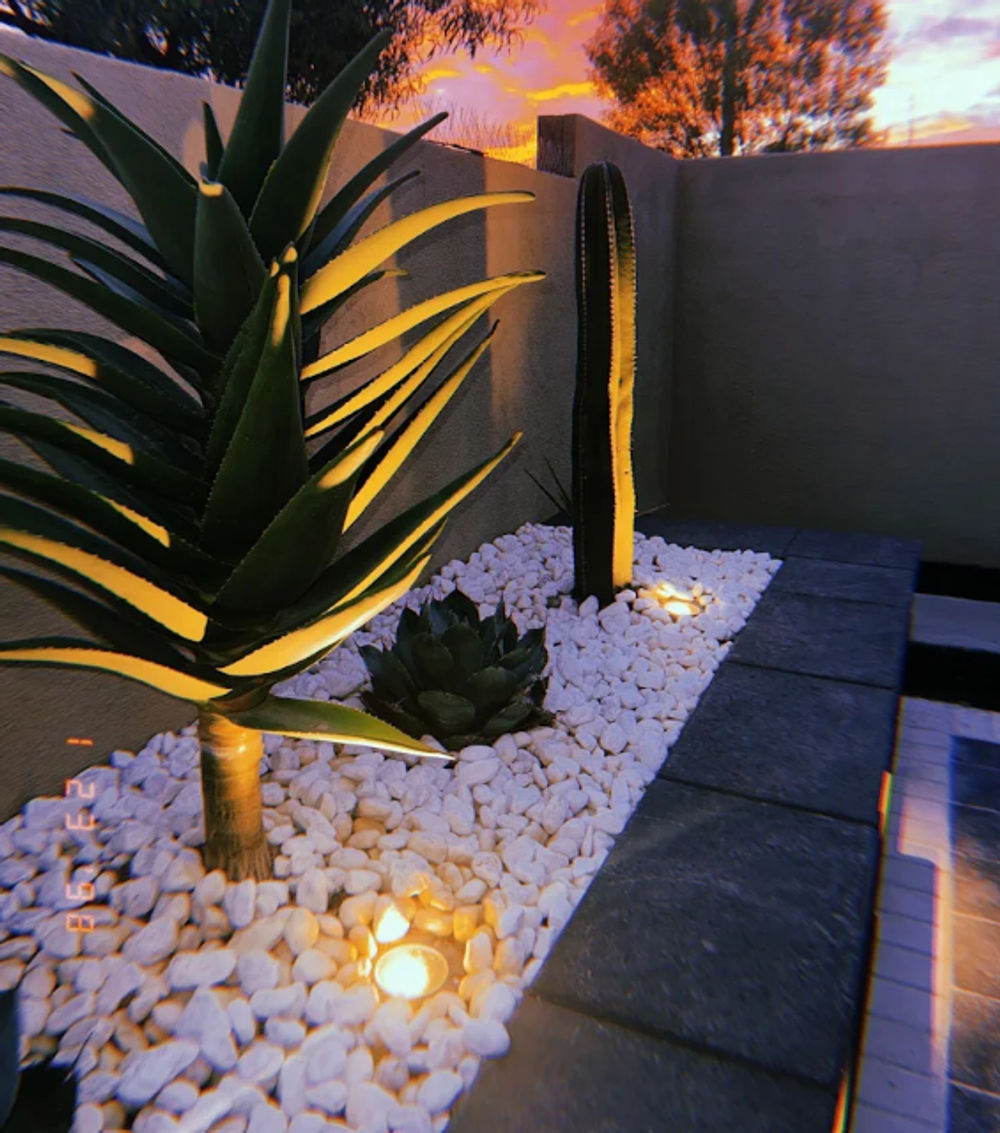
Himalaya White Pebble or other white rock options create a bright modern contrast. These work best in smaller accent areas, planters, and spaces where you want the rock to stand out.
Mexican Beach Pebble and black polished river rock are usually more expensive, but they can look incredible in the right spot. These are best used as accent rock, not always for full yard coverage, because the cost can climb quickly.

What Rock Color Should I Choose?
The best rock color depends on what is already in your yard. If your home has warm tan, brown, or beige colors, brown or desert toned rock usually looks natural and clean.
If your yard has gray pavers, modern walls, black accents, or a cooler color palette, gray river rock or darker rock may fit better.
If you want a sharp modern look, white rock can create strong contrast, especially around agaves, cactus, palms, and darker walls.
The goal is not just to pick the rock that looks good in a sample photo. The goal is to choose rock that works with your home, turf, pavers, plants, and overall design.
What Size Rock Should I Use?
Rock size matters. For most full yard coverage, three quarter inch rock is usually the best choice. It spreads well, looks clean, and is easier to walk on than larger rock. For planters, dry riverbeds, and accent areas, one to three inch river rock or larger chunky rock can add more texture and contrast. For bold accent areas, two to four inch rock can look great, but it is usually not the best choice for covering an entire yard because it spreads differently and can cost more per square foot.
As a simple rule:
Half inch rock is good for smaller areas, tight spaces, and a cleaner compact look. It spreads well and can be easier to walk on, but it may move around more and can trap debris.
Three quarter inch rock is best for full yard coverage. It looks clean, covers well, is easier to maintain than smaller rock, and works for most Las Vegas front yards and backyards.
One to three inch river rock is best for dry riverbeds, planters, and softer natural looks. It has a more premium look and usually stays in place better, but it does not cover as much area per ton.
Two to four inch chunky rock is best for accent areas and contrast. It can look great in planters or around focal points, but it is usually not the best choice for covering an entire yard.
Polished rock or beach pebble is best for premium accent areas. It looks very clean and high end, but it costs more and shows dirt, leaves, and debris faster.

What If I Have Dogs?
If you have dogs, think about how they will actually use the yard.
For larger dogs, rock can work well around turf, planters, borders, and side areas. The main goal is to choose a rock that is stable, easy to clean, and comfortable enough for the space.
If you have small puppies, we usually recommend staying away from half inch rock in areas they can access. Puppies tend to chew on small rocks, carry them around, or try to eat them. Larger rock may be a better option around puppy areas because it is harder for them to pick up and swallow.
Smaller crushed rock can also get kicked around more easily, while larger river rock may stay in place better. The tradeoff is that larger rock can be harder on paws depending on the size and shape.
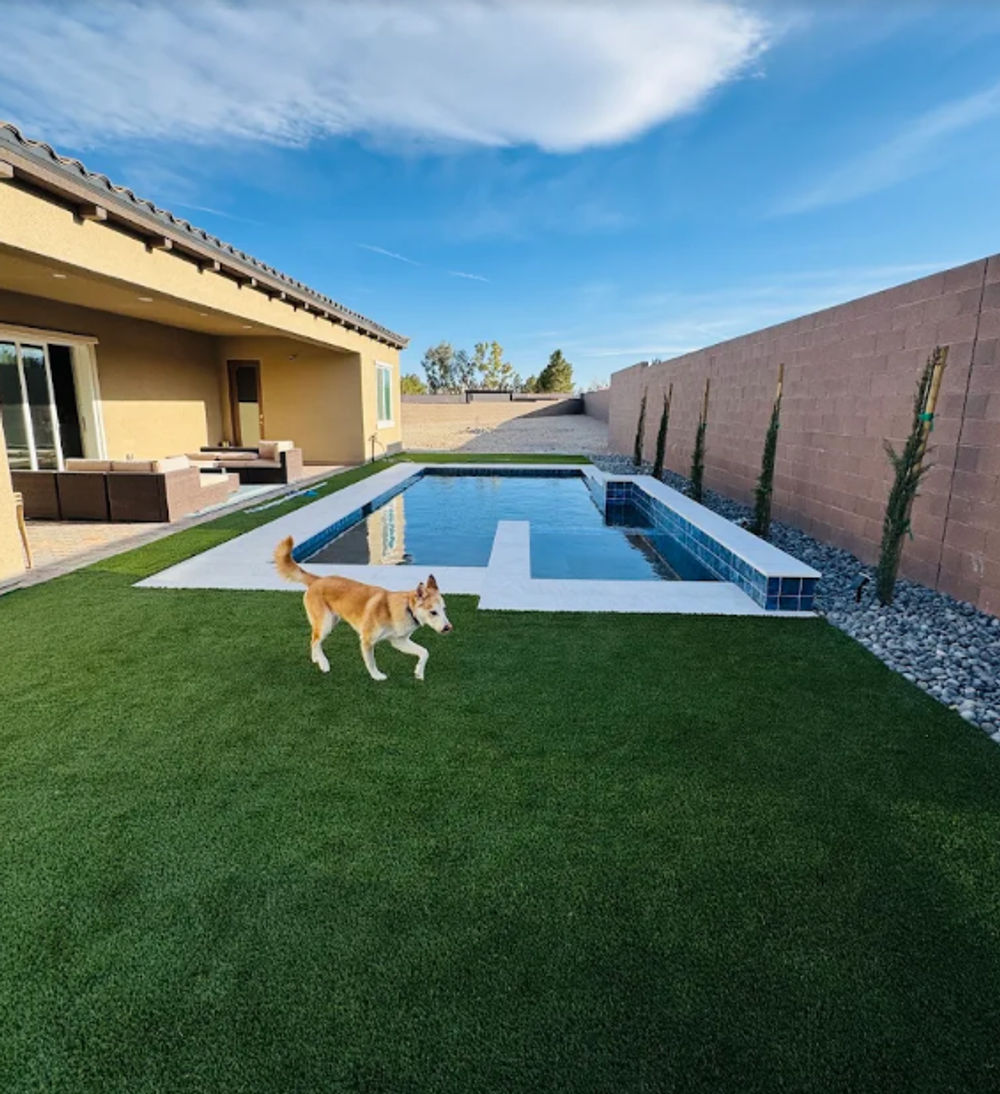
For most dog friendly yards, turf is usually best in the main play and potty area, with rock used around the edges, planters, and side areas.
If your dog likes to dig, no rock is perfect. Larger rock can help discourage digging in some areas, but the layout matters.
Can Rock Be Glued Down?
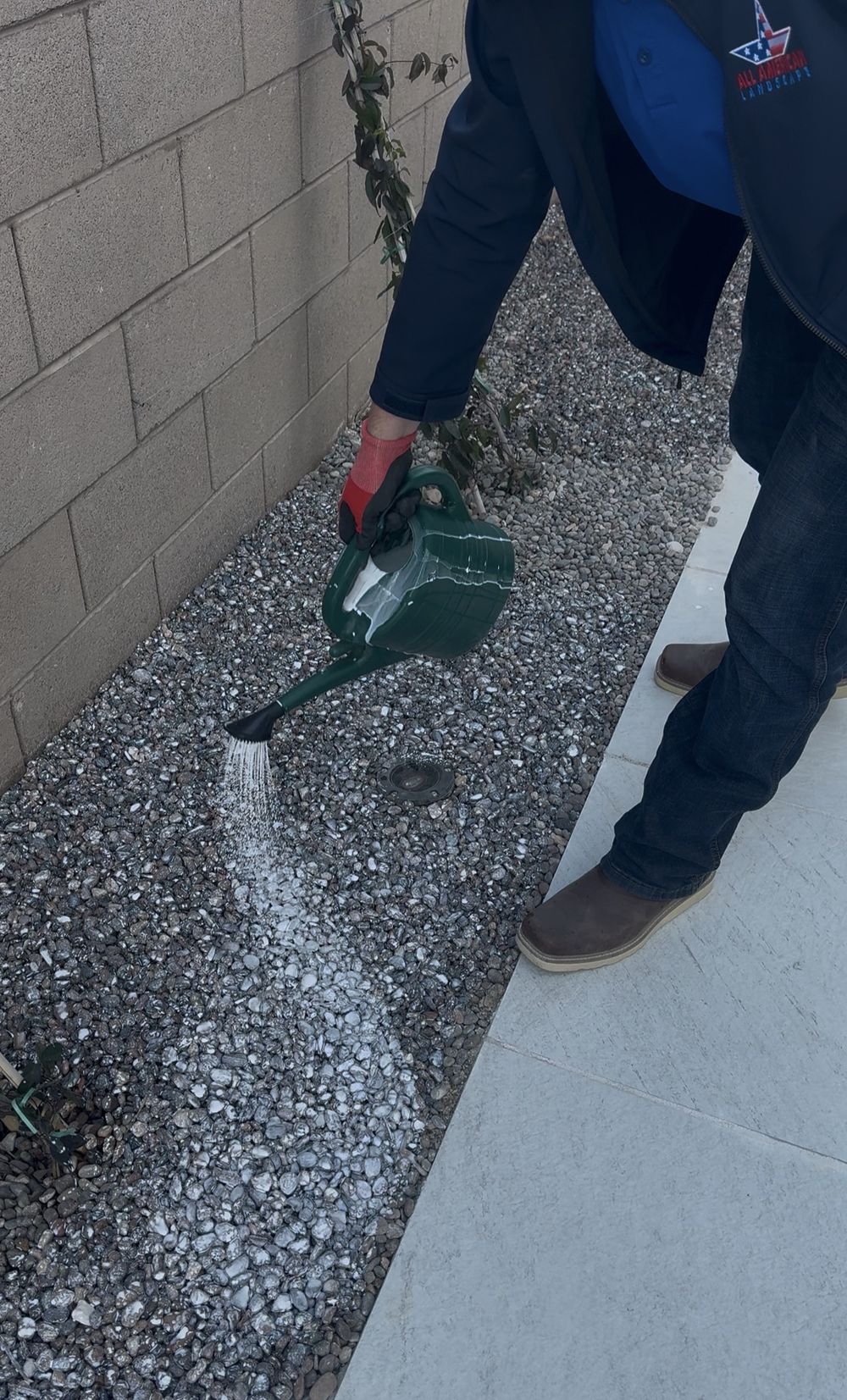
In some situations, yes. We have used polymer glue to help lock decorative rock in place when a homeowner had a dog that was eating or moving small pebbles.
This is not needed for every yard, but it can be a good option in smaller areas where the rock needs to stay more secure.
Polymer glue can help reduce movement, keep rock in place, and make the area easier to maintain. It is most common in accent areas, planter sections, side yards, or spots where dogs are getting into the rock.
For reference, 3 gallons of polymer glue covers about 150 square feet, and 3 coats are recommended for the best hold. Pricing depends on the size of the area, material needed, and labor.
If you have dogs, especially puppies that chew or eat small rocks, let us know during the estimate. We can help choose a safer rock size or talk through whether polymer glue makes sense for your yard.
How Much Area Does One Ton of Rock Cover?
Coverage depends on the rock size and depth. For standard decorative rock, 1 ton usually covers around 120 to 140 square feet. For larger river rock or chunky rock, 1 ton may cover closer to 100 to 120 square feet, and sometimes less depending on the size and depth.
That is why larger rock can cost more per square foot even if the price per ton does not seem too different. If you are trying to keep the budget down, standard three quarter inch rock is usually the best value for full yard coverage.
What If Leaves Fall Into the Rock?
This is something homeowners ask about a lot.
If you have trees that drop leaves, flowers, pods, or debris, the rock size can make a difference.
Small rock can trap leaves more easily because the debris settles between the pieces.
Larger river rock can sometimes make blowing easier because the debris sits more on top, but if the gaps are too large, leaves can still get stuck between the rocks.
Smooth river rock is usually easier to blow than rough chunky rock. Polished rock can look very clean, but it needs to be kept clean to look its best.
If your yard has a lot of leaf drop, we usually recommend choosing a rock that is not too small, not too rough, and not too light in color.

What Happens When You Use a Blower?
With smaller standard rock, a blower can move leaves and dust, but it may also move some of the rock if the blower is too strong.
With larger rock, the rock usually stays in place better, but debris can sometimes get stuck between the larger gaps.
With smooth river rock, blowing is usually easier because leaves tend to sit higher on the surface.
With white rock, everything shows more. It can look amazing, but dirt, leaves, and debris are more noticeable.
The best choice depends on how much maintenance you want to do and how much debris your yard gets.
Should I Keep My Existing Rock?
The cheapest rock option is usually the rock you already have.
If your existing rock is still in decent shape, sometimes the best move is to clean it up, redistribute it, and add more of the same or similar rock to thin areas.
This is called a rock refresh.
A rock refresh can be a smart option when the rock still matches the home and the yard just needs to look cleaner.
A full replacement makes more sense when the old rock is mixed with dirt, the color does not match the new design, or the yard needs a completely different look.

Can New Rock Match Old Rock Exactly?
Usually, no.
Rock is a natural product, and colors can change between batches, suppliers, and quarry runs. Even if the rock has the same name, the new material may not match the existing rock perfectly.
Clear photos can help, but an exact match is never guaranteed.
If a perfect match matters, it may be better to refresh a larger area or replace the full section so the finished yard looks consistent.
Rock vs. Turf vs. Pavers
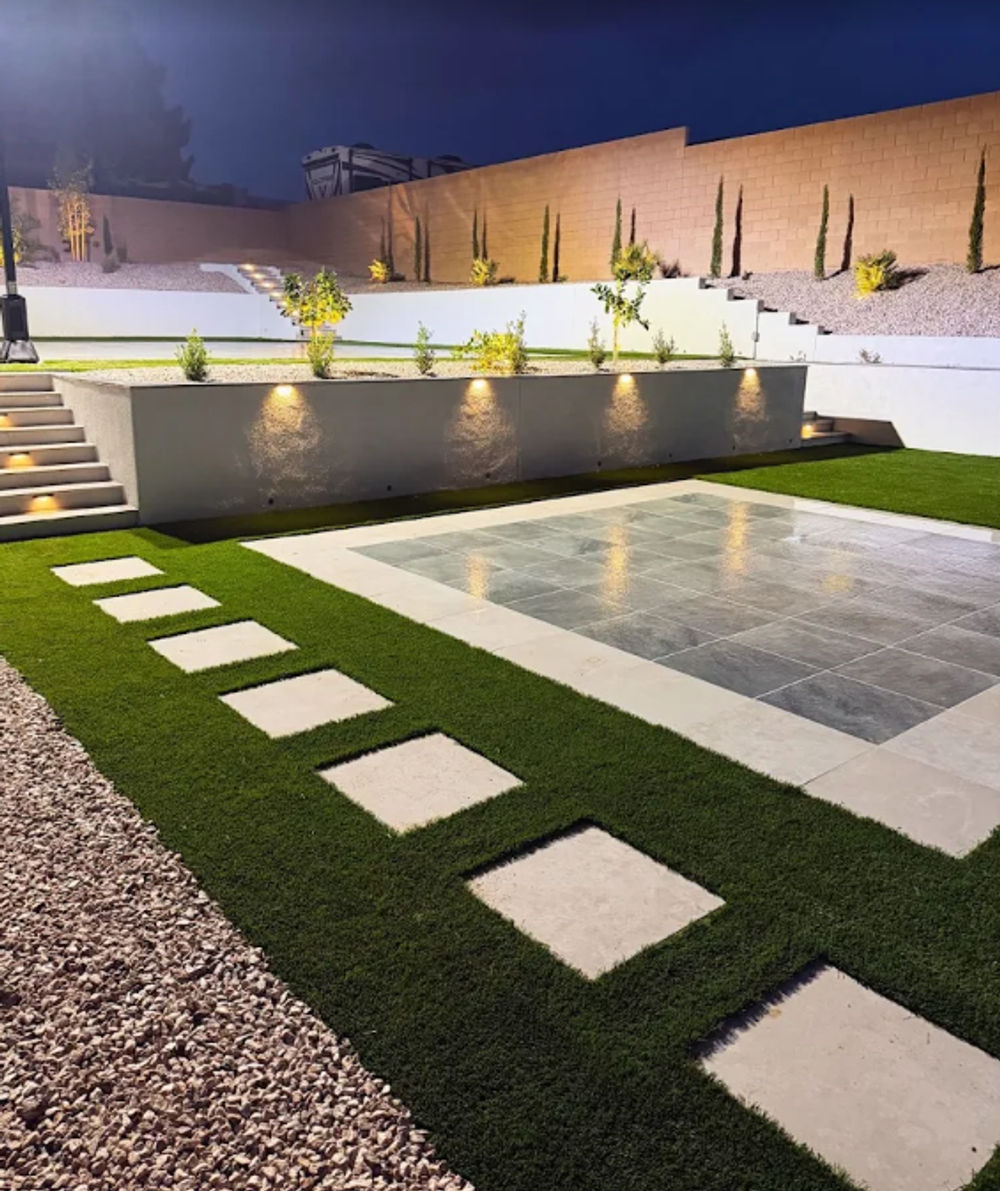
Rock is one of the best ways to control the cost of a Las Vegas landscape. Turf and pavers are great for usable space, but they cost more per square foot. Rock is usually the smarter choice for areas that do not need to be walked on or used every day. A good landscape usually uses all three.
Turf for kids, pets, play areas, and clean green space.
Pavers for patios, walkways, side yards, and seating areas.
Rock for open coverage, planters, borders, dry riverbeds, and low maintenance areas.
The right balance can make the yard look finished without making every square foot expensive.
Final Thoughts
The best decorative rock for your Las Vegas yard depends on the look you want, the materials already in the yard, how much maintenance you want, and how the space will be used.
If you want the best value, standard three quarter inch decorative rock is usually the smartest choice for full yard coverage.
If you want a more premium look, Sahara NV River Rock, Arizona River Rock, Mexican Beach Pebble, or black polished rock can create a stronger design statement.
If you are trying to lower the cost of a landscape quote, adding more rock and reducing some turf or paver areas can make a big difference.
At All American Landscape, we help homeowners choose rock that fits the home, the budget, and the overall design. Whether you need a simple rock refresh, a full yard installation, a dry riverbed, planter rock, or a complete landscape renovation, our team can help create a clean, balanced yard built for the Las Vegas desert.
Request your free estimate with All American Landscape.
